
Choose one or two windows, ninety minutes max, and treat them like an appointment you value. Tell family or housemates in advance, silence notifications, and prepare water, snacks, and a clear goal. Timeboxing clarifies beginnings and endings, so your brain trusts the commitment, avoids procrastination traps, and feels refreshed rather than depleted by creative effort.
A portable setup beats perfection. Pack a tray with core tools, a notebook, and a simple timer. Clear one surface the night before and set a visible cue, like a sketchbook opened to a prompt. Removing minutes of searching for supplies keeps the doorway open, so your best ideas cross the threshold before doubt remembers your name.
Try ten tiny watercolor gradients, each shifting one variable—brush, water ratio, or color temperature. Or sketch your morning mug ten times using different lines: blind contour, stippling, crosshatching, geometric blocks. Quick variations teach more than big masterpieces, revealing personal preferences and unplanned textures while granting a gallery of progress you can pin proudly.
Set a fifteen-minute timer and write a letter to your future self describing next weekend’s finished piece in vivid details. Then freewrite an origin story for a character based on an object on your desk. Constraints guide imagination, gently skipping around inner critics while building muscle memory for showing up, finishing, and smiling afterward.
Assemble a cardboard prototype that solves a small household friction, like cable clutter or a sliding cutting board. Or craft a thirty-second audio loop using found sounds from your kitchen. These contained experiments generate surprise, teach practical skills, and reward curiosity with immediate feedback, making it irresistible to return for the next playful round.

Begin with a two-minute sensory scan: notice three colors, three textures, three sounds. Then copy a favorite line, melody, or brushstroke to anchor rhythm. Warm-ups signal safety and readiness, reducing cognitive friction. When the mind feels welcomed rather than commanded, ideas volunteer themselves, and the session builds easefully, one attentive breath after another.
Between creative intervals, take sixty seconds for mobility: neck circles, shoulder rolls, wrist stretches, gentle squats. Pair a sip of water with a single mindful inhale-exhale cycle. These micro-breaks keep circulation lively and prevent stiffness, allowing attention to remain crisp and compassionate. The result is sustained clarity, fewer aches, and better decisions inside constraints.
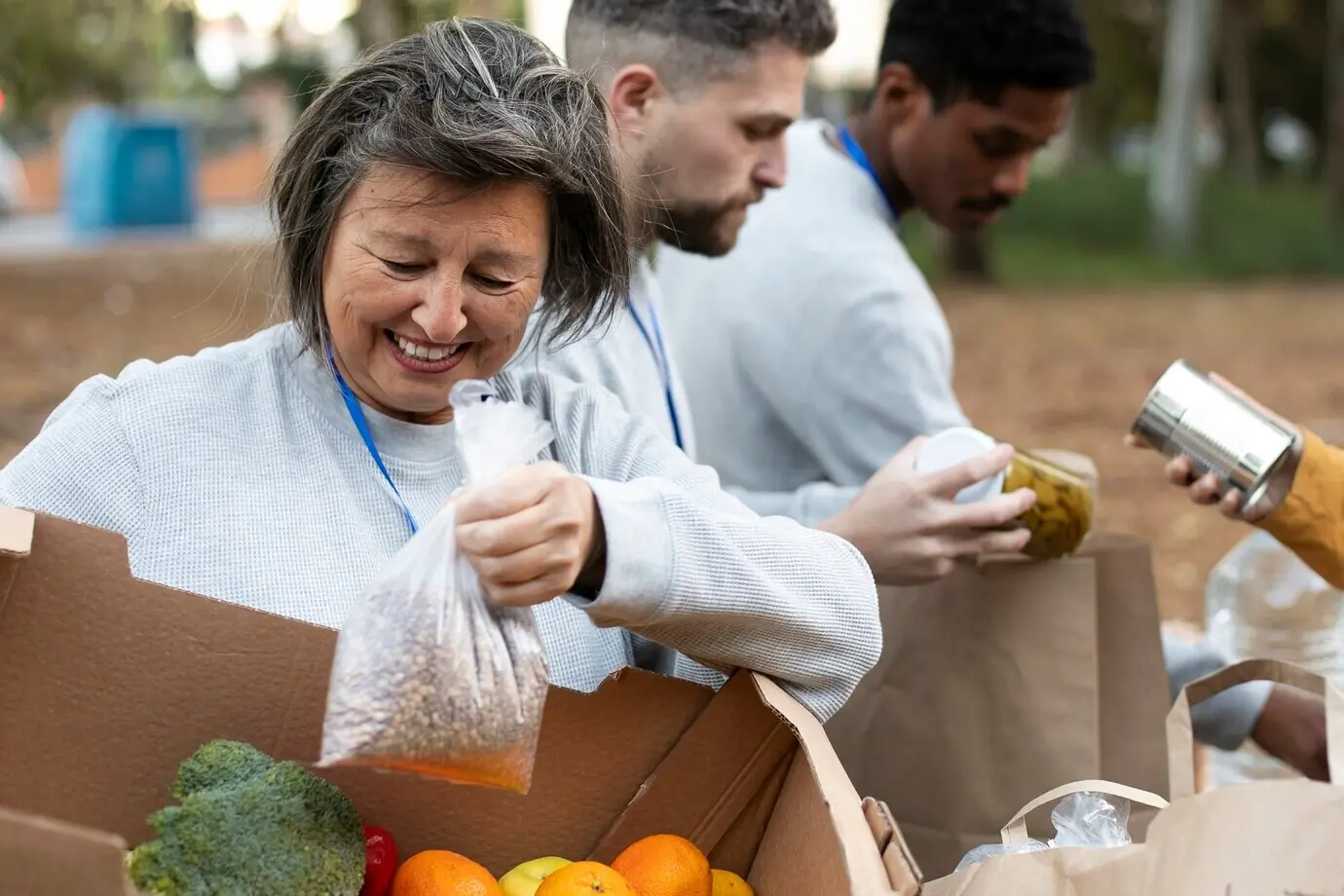
Close with a simple ritual: photograph your work, write one sentence capturing what surprised you, and note a tiny next step. Then deliberately tidy the space. Recovery begins with completion cues that tell your nervous system the effort was rewarding and safe, preserving motivation and making the next session feel anticipated rather than demanded.
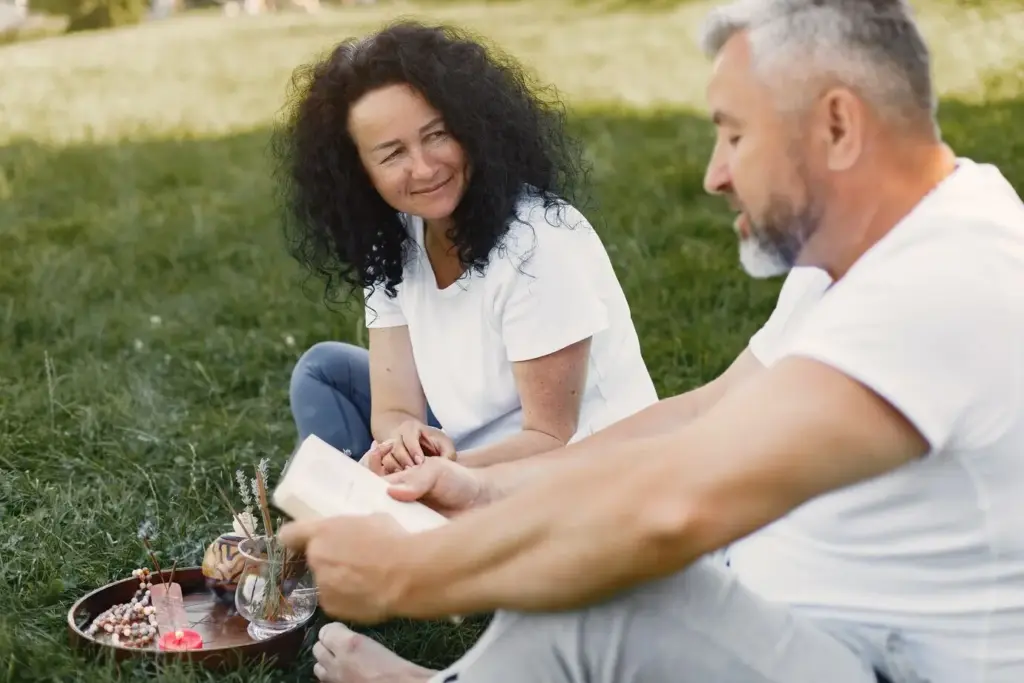
Invite two friends for a Saturday check-in: declare your sprint window, plan one measurable outcome, and send a post-session photo. Keep it warm, not punitive. Consistency thrives where expectations are human and flexible, and encouragement feels genuine. In a month, you will likely notice stronger follow-through, softer self-talk, and more adventurous experiments together.
All Rights Reserved.